
Where Am I Zip Code’ tools make it easy to find your exact location’s postal code for mailing purposes, navigation, or accessing local services. If you’ve ever wondered, “Where Am I Zip Code,” modern tools and technologies make it simple to find the postal code for your current location in real time. This guide explains how to discover your zip code, the tools you can use, and practical applications for this information.
Understanding Zip Codes
Zip codes, short for Zone Improvement Plan codes, are numerical codes assigned to specific geographic areas in the United States to facilitate efficient mail delivery. While primarily used by postal services, they also help define areas for local services, demographic studies, and navigation systems.
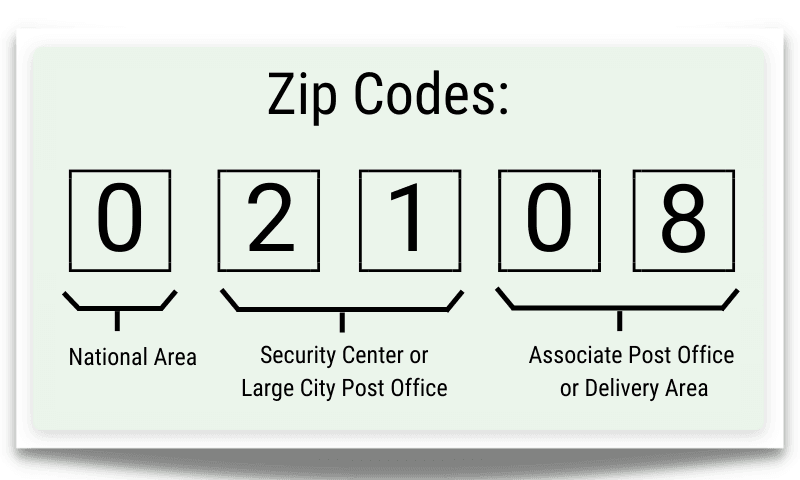
Key Components of a Zip Code:
- Five-Digit Code: The standard format, such as 90210, identifies a specific area or post office.
- ZIP+4 Code: The extended version adds four additional digits (e.g., 90210-1234) to pinpoint precise locations, such as a particular building or business.
Exploring ZIP+4 Codes for Precision
When finding your zip code with tools answering “Where Am I Zip Code,” you may encounter extended ZIP+4 codes. These codes provide additional specificity, narrowing down locations to individual addresses, businesses, or even PO boxes. Here’s what you need to know about ZIP+4 codes and how they enhance location accuracy.
1. What Are ZIP+4 Codes?
ZIP+4 codes are an extension of the standard five-digit zip code. They include an additional four digits separated by a hyphen (e.g., 12345-6789) to provide more precise location information.
- First Five Digits: Represent a general geographic area or delivery zone.
- Last Four Digits: Specify a smaller delivery unit, such as a block, building, or specific address.
2. Benefits of ZIP+4 Codes
- Mail Delivery Efficiency: Helps postal services deliver mail faster and more accurately.
- Enhanced Address Validation: Businesses use ZIP+4 codes for precise address verification in shipping and billing systems.
- Better Service Availability: Utilities, broadband providers, and local services use ZIP+4 codes to check coverage in specific areas.
3. How to Find Your ZIP+4 Code
You can find your ZIP+4 code using these tools:
- USPS Website: Use the Look Up a ZIP Code Tool to input your address and get the full ZIP+4 code.
- Mapping Apps: Some tools like Google Maps and MapQuest display ZIP+4 data for certain addresses.
- Shipping Platforms: Sites like FedEx or UPS automatically append ZIP+4 codes when verifying shipping addresses.
4. Use Cases for ZIP+4 Codes
- Business Mailings: Streamlines bulk mailing processes for companies.
- Delivery Scheduling: Ensures accurate scheduling for local delivery services.
- Tax and Census Data: ZIP+4 codes help government agencies analyze regional data more effectively.
Key Takeaway:
ZIP+4 codes add precision to the standard zip code system, offering benefits for businesses, government services, and individuals needing exact location data. Incorporating tools that identify your full ZIP+4 code can enhance your location-based services.
Best Tools to Answer ‘Where Am I Zip Code’ Instantly
1. Google Maps
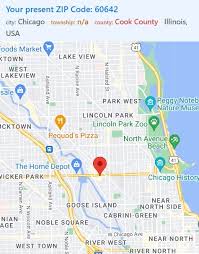
Google Maps is one of the easiest tools for answering the question, ‘Where Am I Zip Code,’ by providing your current postal code quickly:
- Open the Google Maps app or website.
- Allow location permissions to enable geolocation services.
- Tap the blue dot representing your position. A pop-up will display your zip code, city, and nearby addresses.
2. Online Zip Code Lookup Tools
Several websites specialize in identifying zip codes based on GPS or manual input:
- USPS Zip Code Lookup: Official tool by the U.S. Postal Service.
- What Is My Zip Code: Provides real-time zip code and additional location data.
- My Location Zip Code: Displays your zip code, GPS coordinates, and nearby areas.
3. Voice Assistants
Voice assistants like Siri, Google Assistant, and Alexa can instantly provide zip codes:
- Say, “Hey Google, what’s the zip code where I am?”
- The assistant will respond with the zip code and related location details.
4. Dedicated Apps
Download apps like Zip Code Finder or What’s My Zip Code? for real-time zip code updates tailored to your location.
Practical Applications of “Where Am I Zip Code”
Finding your zip code using tools designed for ‘Where Am I Zip Code’ queries isn’t just about mail delivery. Here are some practical applications:
1. Online Shopping and Deliveries
- Entering your zip code ensures accurate shipping costs and delivery times. Many e-commerce websites require zip codes to confirm service availability.
2. Emergency Services
- Providing your zip code during emergencies helps responders locate you quickly, especially in areas without precise street addresses.
3. Localized Services
- Zip codes are used to find nearby services like pharmacies, restaurants, and medical facilities. Apps like Yelp and DoorDash rely on zip codes for personalized results.
4. Navigation and Mapping
- Entering zip codes into GPS devices or mapping apps helps locate destinations efficiently, especially in unfamiliar areas.
5. Marketing and Demographics
- Businesses use zip codes for targeted advertising and understanding customer demographics in specific regions.
The Role of Zip Codes in Emergency Response
When asking “Where Am I Zip Code,” understanding the importance of zip codes during emergencies can highlight their significance beyond simple address identification. Emergency responders, government agencies, and relief organizations rely heavily on zip codes to provide efficient and localized services during critical situations.
1. How Zip Codes Support Emergency Services
- Dispatch Coordination: Zip codes help 911 operators determine the nearest response teams, such as police, fire departments, or medical personnel.
- Evacuation Plans: During natural disasters like hurricanes or wildfires, zip codes are used to map out evacuation zones and send alerts to affected areas.
- Resource Allocation: Relief organizations use zip codes to distribute resources, such as food, water, or medical supplies, ensuring that help reaches those in need.
2. Real-Time Alerts Based on Zip Codes
- Wireless Emergency Alerts (WEA): Mobile phones receive location-based emergency messages, such as severe weather alerts or AMBER alerts, tied to zip code areas.
- Public Health Notifications: During health crises, zip codes are used to identify high-risk areas and communicate relevant updates, such as vaccine availability or outbreak containment measures.
3. Tools to Enhance Emergency Zip Code Use
- FEMA App: Provides real-time disaster information based on your zip code.
- National Weather Service Alerts: Customize weather notifications by entering your zip code to receive tailored updates.
- Community Warning Systems: Local governments often use zip codes to target notifications, such as boil water advisories or road closures.
4. Personal Preparedness with Zip Codes
- Emergency Contact Information: Always have your zip code readily available when calling for assistance, as it expedites the dispatch process.
- Geotagging Apps: Use apps like What3Words or Google Maps to share your precise location, including zip codes, with responders.
Key Takeaway:
Zip codes play a critical role in emergencies, acting as a foundation for communication, resource distribution, and response coordination. Understanding how to quickly find and share your zip code during a crisis can save time and lives.
Step-by-Step Guide to Answer ‘Where Am I Zip Code’
Using Google Maps
- To answer ‘Where Am I Zip Code,’ open the Google Maps app on your device or go to the website.
- Ensure location services are enabled.
- Tap the blue dot marking your location.
- Swipe up to view details, including your zip code.
Using USPS Zip Code Lookup
- Visit the USPS Zip Code Lookup tool.
- Enter your address or allow the website to detect your location.
- The tool will display your zip code along with additional location details.
Using Your Smartphone
- Enable GPS and location services.
- Search for “What’s my zip code” in your browser.
- Choose a tool like What Is My Zip Code or My Location Zip Code to get instant results.
Advanced Features for Zip Code Identification
Many apps answering ‘Where Am I Zip Code’ now integrate ZIP+4 codes, providing even more precise results for businesses and individuals.
- ZIP+4 Lookup: Apps and tools that offer extended zip codes can help pinpoint locations within large buildings, campuses, or complexes.
- Radius Searches: Some tools allow users to search for nearby zip codes within a specified radius, useful for regional planning or service delivery.
- Integration with APIs: Businesses can integrate zip code APIs into their platforms to automate location-based services.
Enhancing Accuracy for “Where Am I Zip Code”
To ensure precise results when searching for your zip code, consider these tips:
- Enable High-Accuracy Location Settings
- On mobile devices, set your location mode to High Accuracy in the settings menu.
- Use Reliable Tools
- Stick to trusted apps and websites like Google Maps or USPS for accurate zip code data.
- Cross-Verify
- If you suspect an error, cross-check with multiple tools or manually verify using your address.
- Avoid VPNs
- VPNs can reroute your IP address to another location, resulting in incorrect zip code detection.
Privacy Concerns with Zip Code Detection
Using ‘Where Am I Zip Code’ tools is convenient, but it involves sharing location data. Here’s how to protect your privacy:
- Use Secure Websites
- Ensure the lookup tools you use have secure connections (HTTPS).
- Limit Permissions
- Only enable location access for apps and websites when necessary.
- Use Incognito Mode
- For temporary zip code lookups, use your browser’s incognito mode to prevent saving location data.
- Avoid Public Wi-Fi
- Public networks may compromise your location privacy. Use mobile data or secure Wi-Fi connections.
Troubleshooting Common Issues
1. The Zip Code Tool Isn’t Working
- Check your internet connection.
- Refresh the page or app to reload location data.
2. The Zip Code Is Incorrect
- Ensure GPS is active and precise location services are enabled.
- Avoid using a VPN or proxy that may reroute your IP.
3. The Tool Doesn’t Detect My Location
- Grant location permissions to the app or browser.
- Restart your device to reset GPS signals.
Using reliable apps and tools to answer ‘Where Am I Zip Code’ helps you find your postal code quickly and efficiently.
Frequently Asked Questions About “Where Am I Zip Code”
Q1: How do tools answer ‘Where Am I Zip Code’ accurately?
A: Tools answering ‘Where Am I Zip Code’ use GPS, Wi-Fi positioning, or your IP address to pinpoint your location and match it to a zip code database.
Q2: Can I find my zip code without an internet connection?
A: While most tools require internet access, some offline mapping apps can display zip codes if the map data is pre-downloaded.
Q3: Is it safe to use zip code lookup tools?
A: Reputable tools like USPS or Google Maps are secure. Be cautious when using third-party websites and avoid sharing sensitive information.
Q4: Can I use a zip code to find nearby services?
A: Yes, apps like Yelp, Uber Eats, and even navigation tools rely on zip codes to tailor results to your location.
Q5: What if I’m on the border of two zip codes?
A: Use tools with precise GPS tracking or manually enter your full address for the most accurate results.
Q6: Can I find ZIP+4 codes with ‘Where Am I Zip Code’ tools?
A: Yes, advanced tools like USPS Lookup and shipping platforms provide ZIP+4 codes, answering your ‘Where Am I Zip Code’ query with precision.
Resources and Further Reading
- USPS Zip Code Lookup: Official tool for finding zip codes.
- What Is My Zip Code: Real-time zip code detection tool.
- Google Maps: Location-based mapping and zip code finder.
- Wikipedia: ZIP Code: Learn more about the history and structure of zip codes.


